Environmental Science, Policy & Engineering Program

2026 Winter Seminar Series

This year’s ESPE winter seminar series theme is The Critical Ocean.

Life on our planet is defined by the presence of a vast ocean. Marine organisms, specifically phytoplankton, produce roughly 50% of the world’s oxygen through photosynthesis. The ocean also acts as a massive thermal and chemical buffer, absorbing about 90% of the excess heat generated by global warming and roughly 25-30% of anthropogenic carbon dioxide emissions. Without the ocean's ability to regulate these systems, Earth’s climate would be far more volatile and extreme. Despite its importance, the ocean remains one of the least explored frontiers, with over 70% of the ocean floor still unmapped and unobserved.

This year’s seminar series brings that frontier into focus. We are honored to welcome three amazing scientists to take us beneath the surface and share their latest discoveries.

These talks will be free and open to the public, and held at Union College in the Nott Memorial from 6-7 PM on the following days.
Wednesday, January 28th, 2026, 6:00PM

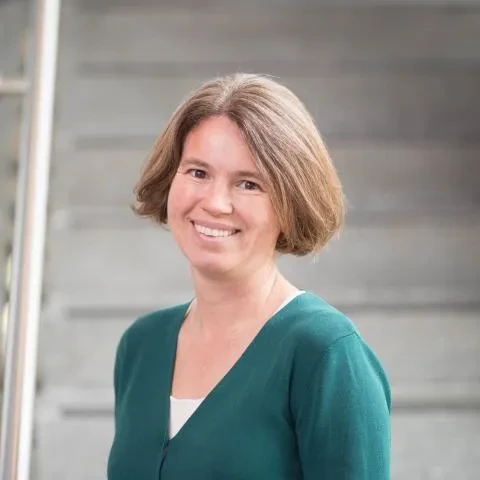
Hali Kilbourne, Associate Research Professor

“Atlantic Circulation: Have we breached a planetary threshold?”

Hali Kilbourne is an Associate Research Professor at the University of Maryland Center for Environmental Science at the Chesapeake Biological Laboratory campus.

Her research focuses on understanding the climate of the last 2000 years to provide context for modern changes and to improve our understanding of climate system processes driving climate variability. Such information can help us improve climate models used for predicting future climate change by providing datasets of historical climate variability for data-model comparison.

Wednesday, February 4th, 2026, 6:00 PM

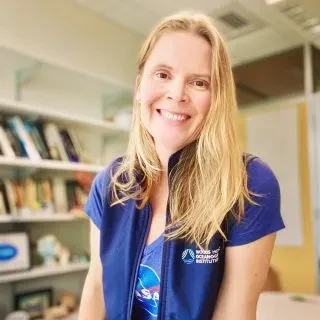
Julie Huber, Senior Scientist, Woods Hole

"The Deep-Sea Around Us: The Urgent Need to Bring the Seafloor into Sight"

Julie Huber is a Senior Scientist in the Marine Chemistry and Geochemistry Department at the Woods Hole Oceanographic Institution. She studies microbial life in extreme deep-sea environments habitats, including hydrothermal vents and seamounts. More specifically, her research investigates how these microbes drive biogeochemical cycles, influence seawater chemistry, and offer clues to life's origins on Earth and potential extraterrestrial habitability. She has led numerous research expeditions, including cruises to sites like Axial Seamount and the Mid-Atlantic Ridge, utilizing remotely operated vehicles such as Jason to sample subseafloor fluids and microbial communities. Huber was elected as a Fellow of the American Academy of Microbiology in the Class of 2025 for her contributions to microbial ecology in the deep ocean and was selected to deliver the prestigious Rachel Carson Lecture at the 2025 American Geophysical Union Fall Meeting, recognizing her cutting-edge research on seafloor microbial processes and their societal implications, such as threats from deep-sea.

Wednesday, February 18th, 2026, 6:00PM

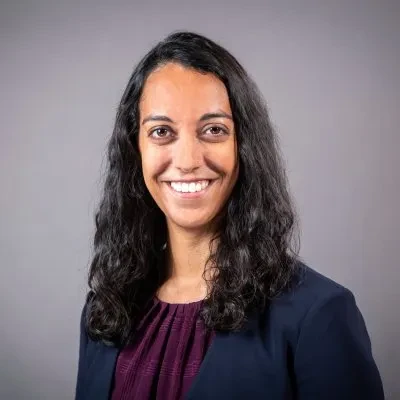
Sujata Murty, Assistant Professor, Department of Atmospheric and Environmental Sciences, University at Albany

“Unlocking Climate Secrets from Corals in a Time of Rapid Change”

Sujata Murty is an assistant professor in the Department of Atmospheric and Environmental Sciences at the University at Albany. She received her PhD from Nanyang Technological University and completed a Postdoctoral Fellowship at the Woods Hole Oceanographic Institution. Sujata's research focuses on past changes in ocean and climate systems.