OFFICE OF CIVIL RIGHTS AND TITLE IX
The following individuals are members of the College's Office of Civil Rights and Title IX team. While these individuals are not considered Confidential Resources, they are private resources that will protect your privacy while managing your report. We have Deputy Title IX Coordinators in different areas of campus life to allow individuals to choose the space, department, and individual they are most comfortable with.
Title IX Coordinator: The Title IX Coordinator is responsible for the College’s overall response to sexual harassment and gender-based misconduct. The Title IX Coordinator can receive reports of misconduct, provide support measures, and inform you of your options for moving forward.
Deputy Title IX Coordinator: The Deputy Title IX Coordinator assists the Title IX Coordinator with oversight of the College’s response to sexual harassment and gender-based misconduct. The Deputy Coordinator can receive reports of misconduct, meet with members for intake, provide support measures, and inform you of your options for moving forward.
Title VI Coordinator: The Title VI Coordinator is responsible for the College's response to discrimination, harassment, and protected identity based misconduct. The Title VI Coordinator can receive reports of discriminatory or harassing misconduct, meet with individuals for intakes, provide supportive measures, and inform individuals of resolution options.
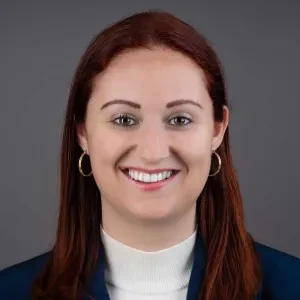
Ann Ciancia, J.D., M.B.A., Senior Director of Civil Rights Compliance & Title IX and VI Coordinator
cianciaa@union.edu | titleix@union.edu
Robin Olinsky, Deputy Title IX Coordinator and Head Class Dean
Erin Zannella, Deputy Title IX Coordinator for Athletics and Assistant Athletic Director for Compliance and Ticketing
Title IX Investigator: The Title IX Investigator is responsible for conducting investigations for Title IX complaints. The investigator will ask complainants, responding parties, and witnesses questions regarding the particular complaint.
Title VI Investigator: The Title VI Investigator is responsible for conducting investigations for student complaints related to discrimination and harassment based on an actual or perceived protected characteristic . The investigator will ask complainants, responding parties, and witnesses questions regarding the particular matter.
Title IX and VI Hearing Panel and Appeals Panel: Hearing Panel members are responsible for participating in hearings, reviewing relevant evidence, and participating in deliberations to determine the findings (responsible or not responsible) and possible sanctions. Members of the appeals panel may affirm the decision, reverse a finding, change the sanction or remedy, or remand the case.