Class of 2030 Frequently Asked Questions

Below are questions admitted students and their families often ask. FAQs will be updated regularly to reflect what's top of mind as we move through the admitted student journey.

Looking for an answer that's not here? Submit your question(s) to the admissions office below.

FAQ Submission Form for Admitted Students

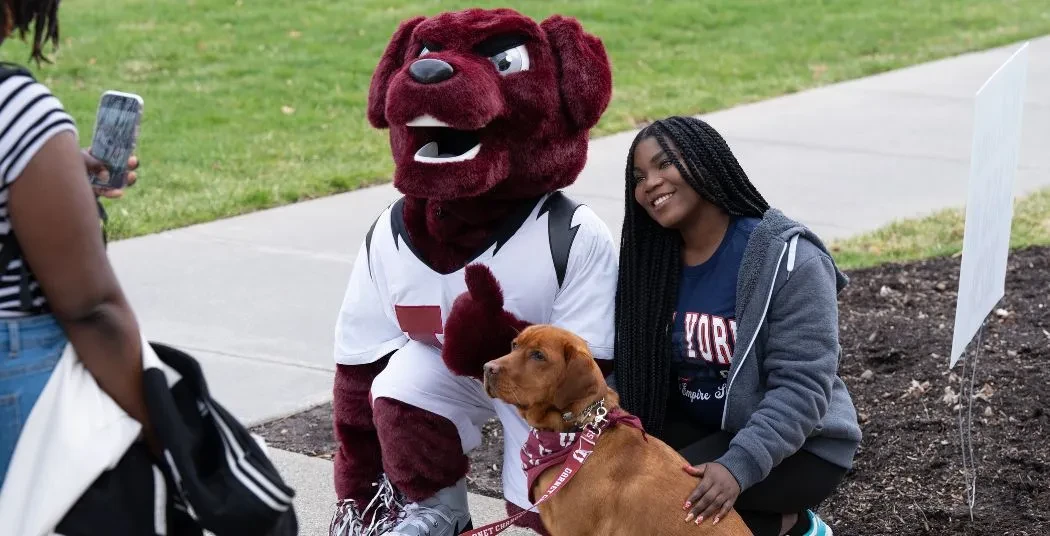
Admitted student with Charger

Enrolling at Union

  • I've submitted my enrollment deposit. What comes next? When will registration open for courses, housing, etc.?

    After enrolling, your applicant portal will update with an enrollment checklist that includes information on activating your Union email account, housing forms, transfer credit evaluation for AP and college courses and much more. Some items will appear shortly after enrolling, while others will be added after the May 1 deposit deadline.

    Advising and course registration is typically available in early May, while the housing profile is typically available in early June.

    First-Year Experience will begin sending summer communications in May.

  • What do I do if I want to change my major?

    Students do not apply — and are not admitted — into a specific major. The academic program(s) you listed on your application indicate your current interest, not a specific major to which you applied. Whether you know what you want to study and are ready to jump right in, or you're completely undecided and excited to try everything, our faculty academic advisors are experts in helping students select courses and identify a path of exploration.

Beyond Campus

  • What's it like getting around without a car? Are first-year students allowed to bring a car to campus?

    Many students do not bring a car to campus. We're close to a major airport and train and bus stations. Downtown Schenectady and many restaurants are within walking distance of campus. We also have a convenience store on campus for anything you may need.

    The College offers the following services at no additional cost:

    • weekly shuttle service to local shopping (Walmart, Target, Asian market)
    • transportation on CDTA bus lines traveling throughout the region
    • transportation to medical appointments within a 6-mile radius of campus.

    Learn more about the local area.

    First-year students may bring cars. You’ll need to register your vehicle with Campus Safety and pay a one time fee of $150 for the year. Starting sophomore year, the annual fee is $30.

  • What do students like to do in Schenectady?

    There's a lot to love about Schenectady. It's a "foodie" heaven with 50 restaurants within 2 miles of campus. Our city is home to Proctors Theatre which hosts touring Broadway shows. We have a Movieland to catch the latest blockbuster and students have fun bowling on dollar night at Boulevard Bowl. The Sunday Greenmarket is a year-round favorite, offering fresh local produce and artisan goods. Jay Street offers cozy cafes, a local bookstore and unique shops. M&T Bank Center at Mohawk Harbor is home to our Division I Men's and Women's Ice Hockey teams, making it easy to enjoy dinner at Druthers before the big game. There's a hike-bike trail, dozens of businesses offering internship opportunities for students and a lively arts scene.

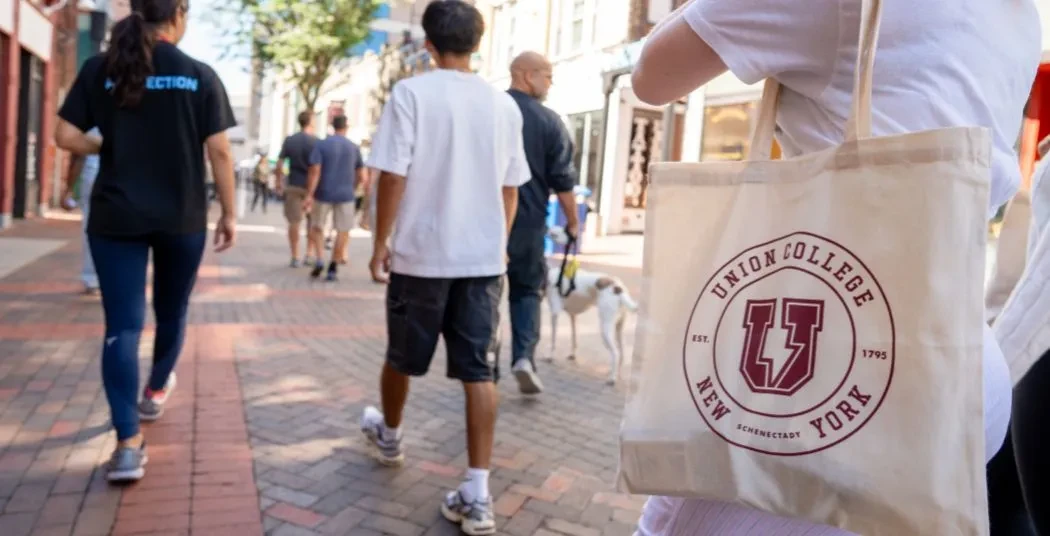
Students walking on Jay St. in Downtown Schenectady.
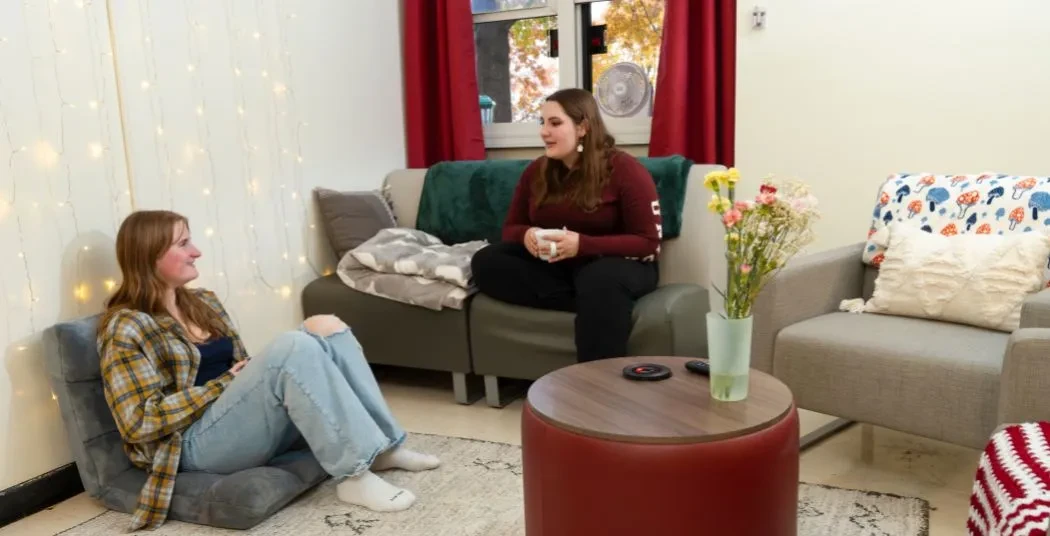
Students in a dorm room

Residential Education and Housing

  • What is first-year housing like?

    First-year students live in Fox House, Richmond House or West College. Residential Education & Housing will do its best to accommodate requests for room styles (corridor or suite) or a study-focused environment for those who desire a quiet living space. Students are able to select a specific roommate or be matched with a roommate based on information provided on the housing forms. All residence halls have common areas/lounges and laundry facilities that are free of charge!

    Learn more about housing for new students.

  • What furnishings can I expect in my first-year residence hall?

    Furnishing (per resident) includes an extra-long twin bed, set of drawers, closet, desk and chair. All rooms include Wi-Fi and ethernet hookup, and blinds on windows. Suite common rooms contain sofa, chairs and coffee table.

    Learn more about preparing for residential life at Union on the Residential Education site. In addition to the detailed information provided, Residential Education will join virtual and on campus admissions sessions to get your questions answered, in addition to partnering with the First-Year Experience office to make sure you're prepared for move-in and beyond!

  • When will the housing profile be available?

    The housing profile will be available in early June. Typically, housing assignments are set and live by mid-July.

Student Life

  • What fun events happen on campus?

    Students enjoy campus-wide traditions throughout the year (like Club Expo, Springfest, Lobsterfest, and more) in addition to daily events organized by our 115+ student clubs and organizations. On any given day, there's an average of 6-7 events happening! Student Activities sends out a Daily Digest email highlighting events happening that day and throughout the upcoming week and weekend, so you can plan your fun!

  • How do I get involved in clubs, including club sports?

    All clubs are open to any member of the student body. Club sports teams are open to all students, too. Many compete intercollegiately in recognized leagues and students of all skill levels are welcome - there are no cuts from club teams.

    Club Expo is held early in the fall. Club leaders and members are eager to meet you and get you signed up, chat about your shared interests, play games and enjoy a fun day.

    Student Activities also offers Charger Connections, matching you with an upper-class student who shares your interests, to help guide you.

  • What do students do on the weekends? Is there late night programming?

    ACE (Association of Campus Events) hosts an event every weekend. Other student groups host occasional late-night weekend programming, but there's always something going on!

  • What kind of community service opportunities are there at Union?

    Community Engagement and Outreach serves as a link between campus and community, providing students with a wide range of volunteer opportunities in the Schenectady area.

    • Toll Day is the biggest campus-wide day of service. The entire first-year class spends a day volunteering during orientation.
    • Community Carnival is another large-scale event coordinated by student volunteers
    • Schenectady festivals: students volunteer (and eat!) at Greek Fest, Italian Fest and Caribbean Fest.
    • The STEP Program is a New York State grant-funded program that was designed to prepare economically disadvantaged students to enter college and increase participation in math, science, technology, health-related fields, and licensed professions. Union College has been awarded the STEP grant since 1994 to partner with local schools and provide high-quality STEM instruction to students enrolled in the program.
  • What's the culture of Greek Life like at Union?

    There's certainly active Fraternity and Sorority Life on campus, with roughly 25% of Union students belonging to a chartered Greek organization, but it's not a requirement in order to have a social life. Recruitment doesn't start until sophomore year to give students plenty of time to build a foundation before they decide if it's something they're interested in or not.

    Kassie '27: "In high school I always said I'd never join a sorority, that's not my thing. But I ended up joining at Union and I'm so glad I did. I got to meet so many new people. It's not the TikTok version of Greek Life - at Union, it's about community and service. It feels much different than what you see online. It's very inclusive here."

    Kevin Trigonis, Director of Community Engagement and Outreach: "Our fraternity and sorority leaders are the first to raise their hands to get involved with community engagement - they're leaders. There's also a legacy from past classes, with high expectations. It's a positive experience from my perspective, if it's something you're interested in."
  • What's the difference between Minervas and Greek Life?

    Every student is automatically assigned to a Minerva upon their arrival at Union for instant connection. There are seven physical Minerva houses where sophomore, junior and senior students can choose to live. Minervas plan and manage hundreds of events every school year, a majority of which are open to the entire student body (Waffle Wednesdays are quite popular, for instance). Greek Life is opt-in; in your sophomore year, you can choose to apply to be a part of a fraternity or a sorority. Many students are involved in both Greek Life and their Minerva House. We have both systems in place to provide multiple avenues to get involved.

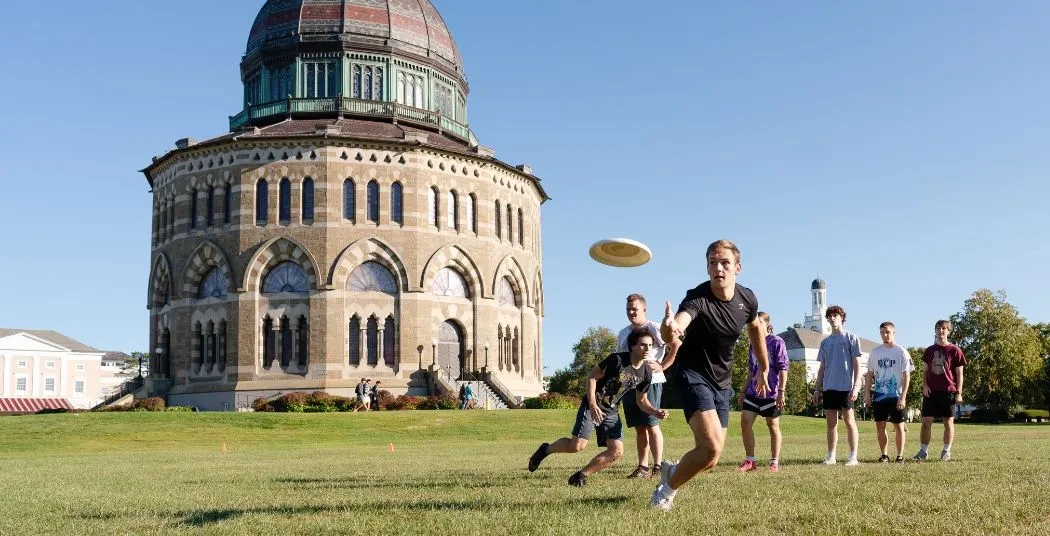
Students playing ultimate frisbee in front of the Nott.
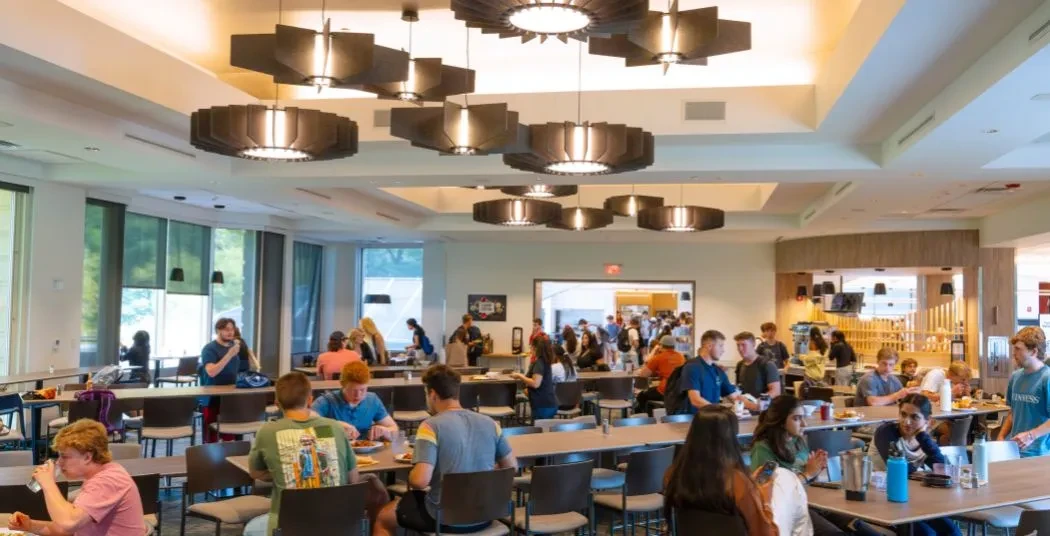
Students eating in Reamer Campus Center.

Campus Dining

  • Where do students eat on campus?

    Eating on campus is never boring. Reamer Campus Center offers two floors of scratch-made dining options, including hot and cold grab and go options at the convenience store.

    Students enjoy coffee drinks and teas at our campus Starbucks in the Wold Center Atrium, located on the second floor.

    The Rathskeller in the basement of Old Chapel offers Mediterranean-inspired lunch options.

  • How often does the dining hall menu change?

    Our dining vendor, Bon Appetit, offers from scratch cooking and updates their menu and specials daily. Students and staff are big fans of the daily automated "menu mail". Sign up and receive the daily menu directly to your inbox for easy planning.

  • How do I navigate my dietary needs/food allergies at Union?

    Special dietary needs are easily addressed at Union. The dining services team is well-trained in food allergy awareness and offer a number of options for students with food allergies and celiac disease. Allergen information is labeled in all locations, vegan/vegetarian options are plentiful and we gladly offer Halal options by request. We also have a campus dietitian who will work with students to address their unique needs.

    More detailed information, including contacts for requesting accommodations, can be found on the Bon Appetit-Union site.

First-Year Essentials

  • What advice would you give to an incoming student?

    We asked our senior interviewers their thoughts, including why they chose Union, their favorite class assignment, their favorite thing to do in Schenectady and their one piece of advice for incoming students. Check out what they had to say.

  • What happens at first-year orientation?

    We're intentional about building community at Union. Students can expect a robust orientation experience - and a lot of fun!

    Here's a preview of what to expect:

    • Connect with peers
    • Explore campus resources
    • Prepare for academic success - including reviewing your fall schedule with your academic advisor
    • Participate in Shared Experiences (like mini field trips)
    • See Schenectady and participate in volunteer experiences
    • Have fun and play games - like competing in Minervolympics, a fun tradition for bragging rights!
    • Parents and families are invited to move-in and some other activities

    You'll begin receiving regular communications from the First-Year Experience office in May.

  • I come from a warmer climate. How is the adjustment to the weather?

    The winter weather will definitely be an adjustment, but good gear makes it manageable. They key is to be prepared: a good winter coat, waterproof boots and layers.

    In the winter, students enjoy outdoor activities like sledding, snowshoeing, skiing, skating and tubing.

    Many students enjoy the opportunity to experience four distinct seasons. Fall (bright foliage and apple cider season!) and spring (think blooming magnolias across campus) are unbeatable.

  • I'll be pretty far away from home. How hard of an adjustment will it be?

    Change is hard! And some homesickness is normal.

    That said, you're not alone - your peers will be going through the same transition.

    Many students say they're surprised by how quickly Union starts to feel like home once they settle into routines and friendships.

    Union has a close-knit vibe (that's one of the top reasons students choose Union). You'll find your people through clubs, teams, classes and residence halls. The small size of our campus makes it easier to build connections quickly.

    The College is very intentional about building community. A robust orientation experience will get you started in the right direction, and you'll have lots of support.

  • What happens if I get sick?

    Health Services is located in Wicker Wellness Center and assists students with healthy living, as well as treatment for illnesses and injuries. If the illness or injury requires hospital attention, we'll transport you to Mohawk Harbor Urgent Care of Ellis Hospital, which are both within 5-10 minutes of campus.

  • What about mental health - do you offer counseling on campus?

    We value providing students with the services they need to thrive - and that includes mental health services! Our counseling center, located within Wicker, offers individual and group counseling, and appointments are free of charge. We also offer telehealth counseling services for immediate needs.

    During the academic year, a staff member is available evenings and weekends as the counselor on call to provide crisis support.

  • I heard you have therapy dogs. How does that work?

    Our therapy dog program is popular and a great way to destress. Students can walk therapy dogs on campus or play with them at Wicker. If you're planning a walk, all you need to do is call the wellness center to check on availability of the dog before you head over.

  • What happens if there's a big snow storm on campus? Does campus close?

    As a residential campus, it's extremely rare that we will "close" due to weather-related events.

    Our dedicated campus safety, dining and facilities staff will report for duty and make sure students can safely get around campus and have the essential services they rely on.

    There may be adjustments to dining and administrative hours, for instance, but student needs always come first. Classes will be held at the discretion of the faculty member. Some may cancel class or move to online delivery. Either way, you'll receive communication from both your professors and the College to make sure you're in the loop.

First-year students competing at Minervolympics
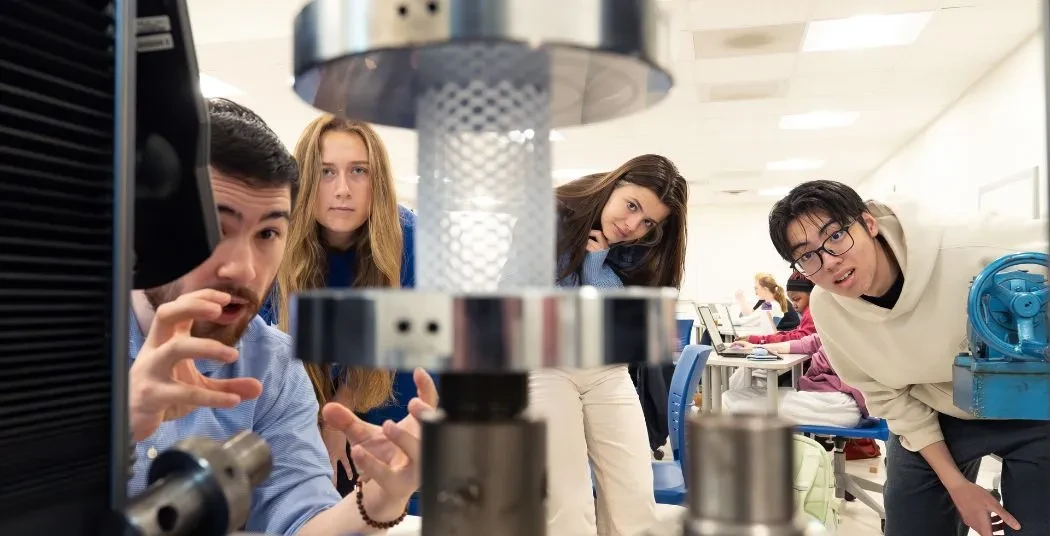
Union students in a biomedical engineering lab class.

Academics

  • What's the classroom environment like?

    It depends on the class! Class sizes are kept very small at Union (9:1 student-faculty ratio, with an average introductory class size of 24 and an upper level average class size of 14). relationships and a collaborative classroom environment. Students get to know one another by working on projects and assignments together while also having many opportunities to connect with faculty.

  • Are professors accessible?

    Professors are absolutely accessible! You will never just see them during class - all professors have weekly office hours which will either be included in the syllabus or decided by the professor and students together at the beginning of the term. They are always welcoming you to make individual appointments with them if the normal officer hours do not work for you.

  • What are your thoughts on the three-term approach?

    The three-term approach is wonderful because it allows students a significant amount of freedom with their schedule and plenty of time to do activities outside of classes - our students only take three classes at a time. This makes it easier to study abroad, get a job, or do an internship or research during the academic year. Since our trimesters are shorter than your typical semester (10 weeks vs. 15), our classes do tend to be faster-paced, and our students are set up for success with a large amount of support from their professors.

  • What's it like to balance athletics and academics?

    You'll have the support of the team, your coaches and your athletic faculty mentors, in addition to the academic support, health and mental wellness, and career planning services offered to all students. Unlike in high school, you'll have much less actual class time and will learn how to structure your study time.

    The guiding principle for our student-athletes is student comes first! Coaches are understanding if you need to leave practice to get to an important review session or if you're a couple minutes late because a lab ran over.